
Understanding the psychology behind gambling behavior in casinos
The Allure of Casinos
Casinos are designed to captivate and engage their patrons, tapping into a range of psychological triggers to create an immersive experience. The environment is often filled with bright lights, enchanting sounds, and vibrant colors, all meticulously crafted to stimulate excitement. This allure can lead to compulsive gambling behavior, as individuals find themselves unable to resist the excitement, particularly when exploring options like paysafe casinos nz. These sensory elements play a significant role in drawing individuals into the gaming experience, making it easy for players to lose track of time and money.
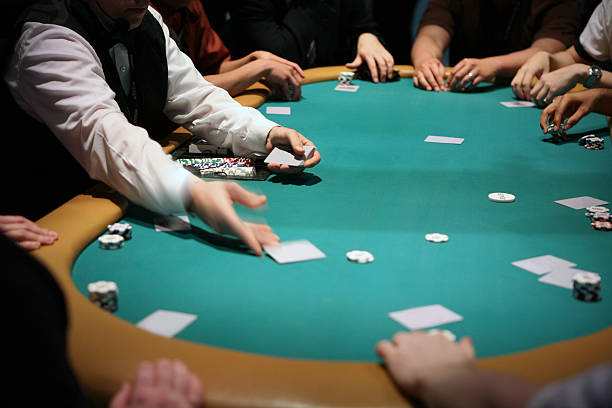
The excitement of potential winnings is another factor that fuels gambling behavior. The thrill of winning, even if it’s a small amount, reinforces the desire to keep playing. This phenomenon aligns with the psychological principle of intermittent reinforcement, where rewards are given sporadically, making the game feel more engaging. Players often remember their wins more vividly than their losses, which can skew their perception and encourage further gambling. This positive reinforcement traps players in a cycle of risk and reward, making it difficult to walk away.
Additionally, the social aspect of gambling plays a critical role in the attraction of casinos. Many individuals enjoy the camaraderie and interaction that comes with playing games with others. This social engagement can enhance the overall gaming experience, making it more appealing. The presence of friends or strangers cheering each other on can create a sense of community, allowing players to feel part of something bigger than themselves. This social dynamic can intensify emotional responses, leading to increased time spent in the casino.
Cognitive Biases and Gambling
Cognitive biases heavily influence gambling behavior, often leading individuals to make irrational decisions. One of the most common biases is the “gambler’s fallacy,” where individuals believe that past outcomes affect future results. For instance, a player may assume that a slot machine is “due” for a win after a series of losses. This misunderstanding of probability can perpetuate a cycle of gambling, where players continue to invest their money in the hopes of hitting it big.
Another prevalent cognitive bias is the “illusion of control,” where players mistakenly believe they can influence the outcome of games of chance through their actions. This belief is particularly strong in games like blackjack or poker, where players feel their decisions can sway the game’s result. Such biases can lead to overconfidence, prompting gamblers to take unnecessary risks or engage in prolonged gaming sessions, believing they can turn their luck around.
Furthermore, the framing of betting options can also affect decision-making in gambling contexts. The way a situation is presented—such as the odds of winning versus the potential payout—can lead to different gambling behaviors. For example, a game advertised as having a high probability of winning may attract more players, despite the actual odds being unfavorable. Understanding these cognitive biases is crucial for recognizing how they impact gambling behavior and decisions.
Emotional Influences on Gambling Behavior
Emotions play a significant role in influencing gambling behavior, often dictating how individuals engage with games of chance. Many gamblers report using gambling as an escape from stress or negative emotions, leading to a cycle where they chase losses to regain a sense of control or satisfaction. This emotional connection to gambling can create a dangerous habit, as players may find themselves returning to casinos to alleviate emotional pain, which can further perpetuate negative outcomes.
Winning can elicit a euphoric response, reinforcing the connection between gambling and pleasure. This high can lead players to seek out the experience again, driven by the desire to recreate that initial rush. However, this can also lead to an emotional rollercoaster, where the inevitable losses can result in feelings of disappointment and frustration. This emotional upheaval can trap individuals in a cycle of gambling, as they chase the highs while trying to avoid the lows.
Moreover, the presence of peers can amplify emotional responses in gambling environments. When surrounded by fellow gamblers, individuals may feel an increased sense of urgency or competitiveness, prompting them to gamble more aggressively. This social pressure can cloud judgment, making it challenging to recognize when it’s time to stop. Understanding how emotions intertwine with gambling behavior is essential for both players and those looking to mitigate potential harms associated with gambling.
The Role of Marketing and Casino Design
Marketing strategies in the casino industry are specifically tailored to exploit psychological principles and enhance player engagement. Promotional offers, such as free spins or loyalty programs, create a sense of value that entices players to gamble more frequently. This marketing approach reinforces the notion that players are receiving a benefit, even if the underlying game dynamics may not be in their favor. These promotions can create a false sense of security, leading players to believe they are more likely to win, which may encourage risky behavior.
The design of casinos themselves is also a strategic psychological tactic. Layouts are created to keep players inside for as long as possible, often featuring no windows or clocks. This architectural choice prevents gamblers from tracking time, allowing them to lose themselves in the experience. Additionally, the strategic placement of high-stakes tables and slot machines can create an atmosphere where the thrill of risk is palpable, enticing individuals to continue playing even when it may not be in their best interest.
Furthermore, the use of sound and visual stimuli plays a vital role in maintaining engagement. The celebratory sounds of winning—such as bells and cheers—serve as auditory cues that reinforce the excitement of gambling. When players hear these sounds, it creates a positive association with the experience, leading to an increased likelihood of prolonged play. This integration of sensory elements in casino design showcases how deeply psychological principles are embedded in the gambling experience, often without players realizing it.

Navigating Responsible Gambling
Understanding the psychology behind gambling behavior is crucial for promoting responsible gaming practices. Awareness of cognitive biases, emotional triggers, and marketing strategies can empower players to make informed decisions while gambling. By educating themselves about the potential pitfalls of gambling, players can develop strategies to manage their behavior effectively. For instance, setting limits on time and money spent can help mitigate the urge to chase losses or succumb to the thrill of the moment.
Additionally, seeking social support can play a significant role in promoting responsible gambling. Sharing experiences with friends or support groups can create a sense of accountability, making it easier to recognize when gambling behavior becomes problematic. Developing a strong understanding of personal motivations for gambling can also help individuals navigate their relationship with gaming, allowing for healthier participation in this entertaining activity.
Furthermore, platforms that prioritize responsible gambling often incorporate features that help users recognize when to take a break. Informational resources and tools can guide players in identifying problematic behaviors before they escalate. Awareness initiatives can not only educate players but also promote a culture of responsible gaming within the casino environment. Such measures can significantly mitigate the risks associated with gambling while ensuring that players can enjoy the experience safely.